

Today, BBQ is much more than just a way of cooking. It's an experience, an occasion for friends and family to gather around the fire, a small ritual connected with enjoying good food. From backyard gatherings to large celebrations and festivals, BBQ has become one of the most beloved cooking styles around the world. But how did this tradition begin, and how did it become so popular?
Let's look at the history of BBQ and how it evolved into the beloved custom we know today.
The earliest forms of BBQ in history
The idea of cooking meat over fire is almost as old as humanity itself. Ever since humans discovered fire, they began cooking meat to make it more flavorful and digestible.
The first recorded forms of BBQ come from the indigenous peoples of the Caribbean. They used a wooden structure of branches over a fire to slowly roast meat. This technique was called “barbacoa,” a word that eventually evolved into today’s word barbecue.
This technique allowed the meat to cook slowly, smoke, and acquire an intense flavor. European explorers traveling to the region adopted the method and brought it to other parts of the world.
BBQ in America
The great development of BBQ mainly occurred in the United States. There, the slow-cooking technique evolved and became part of everyday culture.
In the southern states of America, BBQ became particularly popular for two main reasons:
- large cuts of meat could be cooked slowly and economically
- gatherings around the fire were part of social life
Over time, various BBQ styles emerged, such as:
- Texas BBQ (beef and smoked brisket)
- Carolina BBQ (pork with special sauces)
- Kansas City BBQ (rich, sweet sauces)
Each region developed its own technique, marinades, and cooking method.
The culture of BBQ
BBQ is not just cooking. It is an entire culture. In the United States and many other countries, BBQ is associated with:
- family gatherings
- celebrations and festivals
- summer get-togethers with friends
- sporting events
The grilling process often takes many hours, which gives people time to talk, laugh, and share moments.
Over time, BBQ competitions were even created, where professionals and amateurs compete for the best meat.
BBQ in Europe and Greece
In recent years, BBQ has become particularly popular in Europe as well. People are seeking more authentic flavors and enjoying outdoor grilling.
In Greece, grilling over fire is already deeply rooted in our culture. From traditional souvlaki and steaks to large family meals, charcoal grilling is something we love.
In recent years, however, we are seeing a new trend:
more and more people are trying different BBQ techniques, such as:
- slow cooking
- smoked meat
- premium grilled cuts
Thus, BBQ is taking on a more modern dimension.
Why BBQ became so popular
There are several reasons why BBQ has become a global phenomenon.
1. The unique flavor
Grilling over fire and smoke gives meat a special flavor that is difficult to achieve with other cooking methods.
2. The social experience
BBQ brings people together. It is an activity shared with friends and family.
3. The variety of meats
From beef and pork to chicken and lamb, almost every type of meat can be grilled.
4. Simplicity
No complicated techniques are needed to get started. With a good grill and quality meat, an excellent meal can be created.
The secret to a good BBQ
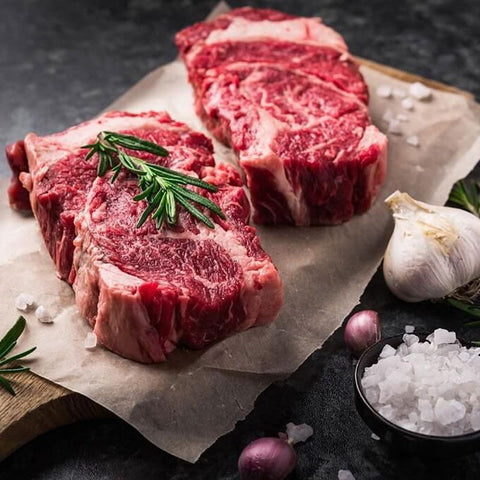
If there is one element that makes a difference in BBQ, it is the quality of the meat. A good cut of meat simply needs proper grilling to bring out its flavor.
This is why many BBQ enthusiasts carefully select their cuts, such as:
- beef steaks
- ribeye or tomahawk
- pork chops
- chicken for grilling
When the meat is high quality, the grilling process becomes even more enjoyable.
BBQ today
Today, BBQ has evolved into a global gastronomic trend. From backyard grills to professional smokers and BBQ restaurants, the love for grilling over fire continues to grow.
And perhaps this is the most beautiful aspect of BBQ:
it doesn't need anything complicated. A fire, good meat, and loved ones around the table are enough to create an unforgettable moment.


Comments (0)
There are no comments for this article. Be the first one to leave a message!