

Not every cut of beef is suitable for every recipe. Some cuts shine with a quick sear on the grill, while others need time in a pot or oven to become tender and delicious.
So how do you know which cut to choose? Let's keep it simple.
For grilling and BBQ
For high-heat cooking, we prefer tender cuts that stay juicy.
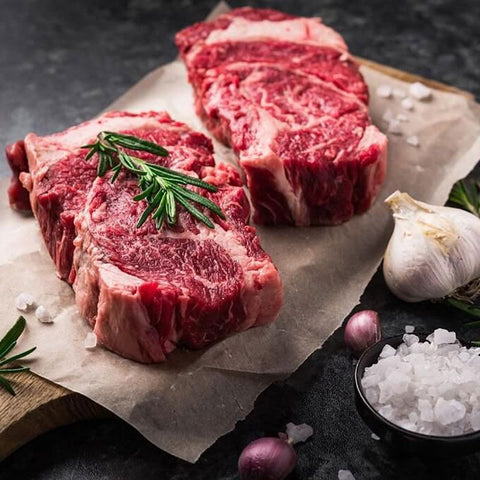
🥩 Rib Eye: Rich marbling, bold flavor and a juicy result.
🥩 Striploin: Firmer texture and distinctive beef flavor.
🥩 T-Bone: Combines tenderloin and striploin in one cut.
🥩 Tomahawk: An impressive, thick cut, ideal for a special BBQ.
For pan-frying
Tenderloin is one of the best choices thanks to its exceptionally tender texture.
Rib Eye also delivers excellent results, especially in a well-preheated cast-iron pan, where it can develop a nice crust on the outside while staying juicy inside.
For pot roasting and tomato-braised beef
For slow cooking, choose cuts that gradually become tender and add rich flavor to the dish.
Good choices include:
-
Chuck
-
Shoulder
-
Blade
They're ideal for tomato-braised beef, lemon beef and other favorite stews.
For soup
Shank is one of the classic choices for beef soup.
Slow simmering makes it tender while also adding rich flavor to the broth.
For slow roasting in the oven
Cuts such as shoulder, chuck and shank can deliver excellent results when cooked slowly.
A lower temperature and longer cooking time help the meat become tender and develop a rich flavor.
The simple rule worth remembering
🔥 Quick cooking: choose more tender cuts, such as Rib Eye, Striploin, T-Bone or tenderloin.
🍲 Slow cooking: choose cuts such as shoulder, chuck, blade or shank.
Conclusion
There isn't one cut of beef that's ideal for every recipe. The secret is to match the cut to the cooking method.
Next time you choose beef, first think about what you want to cook. That way, it will be easier to make the right choice and achieve a better, tastier result.




Comments (0)
There are no comments on this article. Leave the first message!